

Building the Future: How Singapore’s Construction Industry is Navigating 2026 Trends
As we navigate through the midpoint of the decade, the Singapore construction industry trends 2026 are painting a picture of profound transformation and relentless progress. Singapore has long been recognized as a global hub for architectural innovation and urban planning, yet the current landscape represents a departure from traditional building methodologies. Today, the sector is defined by a convergence of high-stakes public infrastructure projects, a surge in specialized data center developments, and a non-negotiable pivot toward smart, sustainable technology. For stakeholders, contractors, and design professionals, these shifts are not merely suggestions but foundational requirements for maintaining a competitive edge in a rapidly evolving market. Industry experts are observing how the integration of digital twins, modular construction, and energy-efficient building materials is reshaping the skyline of the Lion City. By prioritizing resilience, efficiency, and environmental stewardship, the local construction ecosystem is successfully balancing the immediate demands of urbanization with the long-term goal of becoming a net-zero city. This article explores the core trends currently driving the industry forward, providing insights into how firms are adapting their operations to meet the challenges and opportunities of the 2026 construction climate.
Table of Contents
The Digital Transformation of Building Systems
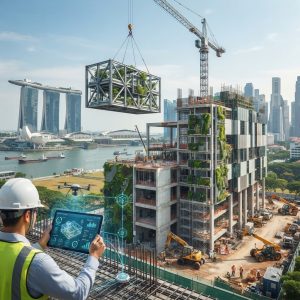
The acceleration of digital integration within the construction sector is perhaps the most significant shift observed in 2026. Traditional paper-based workflows have been largely replaced by sophisticated building information modeling and integrated digital delivery systems. These technologies allow for unparalleled coordination between architects, engineers, and contractors, ensuring that errors are identified during the planning phase rather than on the job site. By creating precise digital twins of every building project, firms can simulate environmental impact, structural integrity, and long-term energy consumption with high degrees of accuracy. This digital shift is not just about adopting software; it is about fostering a culture of precision that aligns with the government’s push for high-productivity construction. When project teams utilize real-time data, they significantly reduce waste and improve project timelines. Furthermore, the use of automated machinery and robotic assembly is becoming standard practice for high-rise developments in the central business district. The precision offered by these autonomous systems allows for safer working conditions and higher quality control standards, which are critical when managing complex urban density. As we look at the broader impact, the data generated from these buildings informs the maintenance cycles for years after completion, effectively bridging the gap between design and facility management. This holistic approach to the lifecycle of a structure is a hallmark of the modern era. The reliance on cloud-based collaboration platforms means that global consultants can work seamlessly with local crews, breaking down silos that previously hindered innovation. This digital maturity is the engine behind Singapore’s ability to maintain high productivity despite labor supply fluctuations, proving that technology is the most effective remedy for the limitations of manual processes in a modern, highly regulated metropolitan environment.
Sustainability Mandates and Green Infrastructure
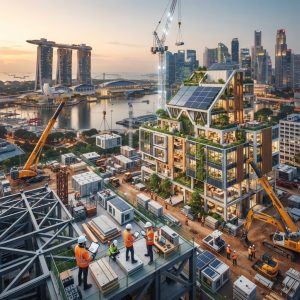
Sustainability is no longer a peripheral concern for developers; it is the cornerstone of 2026 construction regulations in Singapore. The Green Building Masterplan has pushed the industry to adopt aggressive carbon-reduction strategies that touch every aspect of the project lifecycle. From the procurement of low-carbon concrete to the installation of high-efficiency passive cooling systems, the focus is squarely on creating structures that give back to the environment. Developers are increasingly mandated to document the embodied carbon of every major material brought to the site, necessitating a complete overhaul of supply chain practices. Innovative materials such as cross-laminated timber and recycled industrial aggregates are gaining traction as viable alternatives to energy-intensive steel and virgin cement. This transition is further supported by governmental incentives that reward firms achieving top-tier sustainability certifications. Beyond individual buildings, the concept of sustainable construction has expanded to include the integration of urban greening, such as vertical forests and rooftop bio-filters, which help mitigate the heat island effect. The following table highlights common sustainable technologies currently dominating the local market:
| Technology Type | Primary Benefit | Implementation Rate |
|---|---|---|
| Digital Twin Modeling | Resource Efficiency | High |
| Modular Prefabrication | Waste Reduction | High |
| Carbon-Negative Concrete | Embodied Carbon Reduction | Medium |
| Smart Solar Glass | Renewable Energy Yield | Medium |
This table represents only a snapshot of the technical tools available to builders. The shift toward a circular construction economy means that debris management is now a profitable segment of the industry, with demolition waste being processed for reuse in non-structural applications. As the industry matures, the financial case for green buildings is becoming undeniable, with premium asset values often tied to their operational sustainability. Building owners now prioritize energy-efficient designs as a means to future-proof their investments against rising energy costs, ensuring that their portfolios remain attractive in a competitive market.
Infrastructure Resilience and Data Center Expansion
The requirement for reliable, high-capacity digital infrastructure has placed data centers at the forefront of the Singapore construction industry trends 2026. As the economy becomes increasingly digital, the demand for physical storage and processing power is skyrocketing. However, constructing these facilities is a complex undertaking that requires strict adherence to energy-use intensity standards. Building in a space-constrained environment requires ingenious design strategies, such as multi-story data centers that utilize advanced liquid cooling systems to minimize power consumption. These projects are often fast-tracked, requiring teams to adopt off-site prefabrication for electrical and mechanical components. This off-site construction approach allows for concurrent site preparation and structural fabrication, slashing total project delivery time by significant margins. In tandem with these commercial developments, public infrastructure remains a priority. The expansion of the transit network and the modernization of water desalination plants underscore the city-state’s commitment to long-term resilience. These massive public works are increasingly utilizing sensor-based health monitoring to detect structural stress in real-time. By embedding sensors directly into bridges, tunnels, and deep-tunnel sewage systems, maintenance teams can shift from reactive repair to predictive intervention. This reduces downtime and significantly extends the lifespan of these vital public assets. The synergy between private data center demand and public infrastructure requirements has created a robust pipeline of work for both international conglomerates and local boutique firms. The focus is always on adaptability, ensuring that today’s physical assets can accommodate tomorrow’s technological advancements without requiring large-scale retrofitting. This philosophy of adaptive reuse and modular capacity expansion is central to how industry leaders are approaching project designs in 2026, creating a resilient urban fabric that can withstand the pressures of rapid technological and climate-related change.
The Evolution of the Construction Workforce
The human element of construction is undergoing a radical transition, driven by the need for more specialized, tech-savvy personnel. With the traditional labor-intensive model becoming less viable, the industry is investing heavily in upskilling and reskilling its existing workforce. Field supervisors are now expected to be as comfortable with tablet-based project management software as they are with traditional site safety protocols. This shift toward a knowledge-based workforce is supported by vocational training programs that emphasize digital literacy and advanced mechanical operation. By attracting a younger generation of workers interested in high-tech construction roles, firms are effectively filling the talent gap created by the retirement of seasoned veterans. The physical nature of the work is also changing; with the help of exoskeletons and collaborative robots, workers are able to perform heavy lifting and repetitive tasks with reduced physical strain, leading to higher retention rates and improved site morale. Safety, too, has entered a new era, with wearable technology providing real-time physiological monitoring and hazard warnings to site personnel. This commitment to worker welfare is not merely altruistic; it is a strategic business decision. A healthy, skilled, and engaged workforce is far more productive and less prone to the delays that plagued construction projects in previous decades. Furthermore, the industry is increasingly focused on diversity and inclusion, recognizing that varied perspectives in design and project management lead to more creative and effective problem-solving. As firms compete for top talent, the culture of the workplace—emphasizing safety, technological proficiency, and continuous professional development—has become as important as the salaries offered. This ongoing evolution of the workforce ensures that the sector remains robust and capable of handling the increasingly complex demands of Singapore’s urban development goals as the decade progresses toward 2030.
As we conclude this review of the Singapore construction industry trends 2026, it is clear that the sector is at a pivotal crossroads. The integration of high-level technology, a mandatory focus on deep sustainability, and a proactive approach to workforce development are no longer optional strategies but essential survival traits. Firms that continue to embrace digital twins, modular off-site fabrication, and energy-efficient building standards will find themselves at the center of the next wave of urban prosperity. By aligning their business goals with the nation’s long-term sustainability and digital agendas, industry participants can continue to build a landscape that is both economically productive and environmentally responsible. The future of construction in this vibrant city-state is being forged through innovation, collaboration, and a relentless commitment to excellence. The path forward is challenging, but the progress made so far indicates a bright and resilient future for all stakeholders involved.
Frequently Asked Questions
- What are the primary factors driving Singapore construction industry trends 2026? The main drivers include government sustainability mandates, the urgent need for data center capacity, and the shift toward digital-first project delivery methods like building information modeling.
- How is modular construction affecting the local industry? Modular construction is drastically reducing site waste, improving safety by moving labor to controlled environments, and accelerating timelines for complex infrastructure and high-rise developments.
- Why are data centers a major focus for construction firms right now? Due to the rapid digital transformation of the economy, there is immense pressure to build high-capacity, energy-efficient data storage facilities that can sustain the growing needs of global cloud and artificial intelligence infrastructure.
- What role does technology play in the modern construction workforce? Technology is transforming the industry into a knowledge-based sector, utilizing tools like wearable health sensors, robotic assistants, and digital design platforms to improve productivity and ensure worker safety.
- How does the industry measure sustainability in new projects? Sustainability is measured through embodied carbon tracking, the use of green building certifications, and the implementation of energy-efficient smart building systems that minimize operational impact over the facility’s life.