

Smart Construction in Singapore: How Tech and Sustainability Are Reshaping Projects
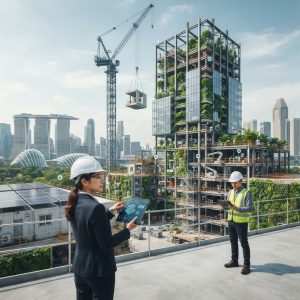
The construction sector is currently undergoing a radical transformation as the industry integrates advanced digital solutions to meet modern demands. Specifically, smart construction Singapore initiatives are driving this evolution, combining cutting-edge technology with rigorous sustainability requirements. As the nation pushes toward the Singapore Green Plan 2030, the built environment must adapt by reducing carbon footprints and enhancing site efficiency. Industry experts note that the traditional methods of heavy manual labor are being replaced by high-tech, data-driven processes. By leveraging Building Information Modeling (BIM), artificial intelligence, and sophisticated robotics, companies can minimize waste, improve worker safety, and streamline project lifecycles. This shift is not merely about modernization; it is a fundamental commitment to a greener, more resilient urban landscape. As we look at the trajectory of development in the region, it becomes clear that early adoption of these technologies provides a significant competitive advantage. This case study examines how these technologies influence project success, project costs, and long-term environmental outcomes, providing a blueprint for the future of construction excellence within a highly resource-constrained urban center.
Table of Contents
The Digital Transformation of Construction Sites
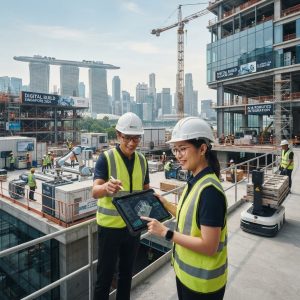
The digital transformation of the construction sector is anchored in the widespread adoption of Building Information Modeling, commonly referred to as BIM. In the context of smart construction Singapore, BIM acts as a central repository for all project data, allowing architects, engineers, and contractors to synchronize their efforts in a unified virtual environment. By creating a digital twin of a structure before breaking ground, project teams can identify potential clashes in electrical, mechanical, and plumbing systems early in the design phase. This proactive identification saves thousands of dollars in rework costs that historically plagued large-scale projects. Furthermore, digital integration extends beyond mere design software; it encompasses cloud-based project management platforms that facilitate real-time communication between site supervisors and off-site office management. When data flows seamlessly between these stakeholders, the margin for human error is drastically reduced. The use of Internet of Things sensors on site also provides live metrics regarding environmental conditions, material structural integrity, and site security. These sensors continuously feed information back to centralized dashboards, enabling project managers to make data-backed decisions that optimize workflow and reduce idle time for heavy machinery. As industry experts emphasize, this digital foundation is the prerequisite for any further technological advancement in the field. Without high-quality data input, the potential for Artificial Intelligence and predictive modeling remains untapped. Consequently, firms across the island are investing heavily in training their workforce to handle these digital tools with precision, ensuring that the transition from analog to digital is as smooth as possible for all project participants. This shift represents the most significant change in site operations in decades, signaling a new era of professional accountability, precision, and technological mastery that defines the current standard of work expected within the region.
Sustainability and Green Building Standards
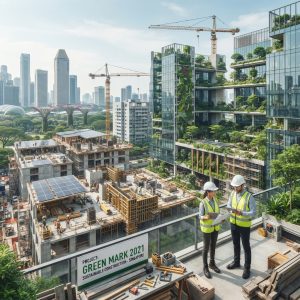
In alignment with the Singapore Green Plan 2030, the construction industry has shifted its focus toward holistic environmental stewardship. Smart construction Singapore goes beyond efficiency; it involves the integration of high-performance materials and passive design strategies that minimize energy consumption throughout the lifecycle of a building. Modular construction, or Design for Manufacturing and Assembly (DfMA), has become a cornerstone of this movement. By pre-fabricating complex building components in controlled factory environments, firms can ensure higher quality finishes while significantly reducing material waste on the actual construction site. This method also results in lower carbon emissions due to fewer logistics-heavy deliveries and reduced noise pollution in residential areas. Furthermore, the mandatory implementation of Green Mark standards encourages developers to incorporate solar panels, vertical greenery, and smart energy management systems into their project blueprints. These systems utilize machine learning to adjust lighting and HVAC usage based on occupancy patterns, thereby lowering operational expenditures for the end-users. The table below outlines how various smart building technologies contribute to overall carbon reduction goals and project efficiency improvements across typical urban developments in the region. By utilizing high-density materials that possess thermal mass, buildings can regulate temperatures more effectively without relying on excessive climate control. Additionally, waste management protocols have been revolutionized by digital tracking tools that monitor exactly how much construction debris is recycled or repurposed, ensuring that the environmental impact is measured and mitigated at every stage of the development process. Achieving these ambitious sustainability targets requires a total rethink of procurement, design, and execution. Developers who embrace these changes early are seeing marked improvements in client satisfaction and compliance performance. The dedication to circular construction models ensures that materials remain in the loop for as long as possible, reducing the reliance on virgin resources and supporting a resilient future.
| Technology Category | Primary Sustainability Benefit | Efficiency Improvement |
|---|---|---|
| BIM Modeling | Material Optimization | High |
| DfMA Prefabrication | Waste Reduction | Very High |
| IoT Energy Sensors | Operational Energy Savings | Medium |
| AI-Powered Scheduling | Logistical Carbon Reduction | High |
Automation, Robotics, and Labor Safety
The labor-intensive nature of construction is being fundamentally redefined by the introduction of automation and robotics. As the industry faces aging workforce challenges and high reliance on transient labor, the implementation of autonomous machinery offers a viable solution for maintaining project timelines. In the smart construction Singapore landscape, robotic systems are frequently deployed for tasks that are traditionally dangerous or physically draining, such as welding, material hauling, and automated bricklaying. These machines provide a level of consistency and precision that manual labor simply cannot achieve, especially when working in tight, high-rise urban environments. For instance, drones are now standard tools for site surveying, using photogrammetry to create precise 3D maps that track construction progress against the original design. This oversight ensures that structural deviations are caught in real-time, preventing the need for costly retrofitting later. Furthermore, the use of wearable safety devices and exoskeletons has improved worker health outcomes, reducing the incidence of musculoskeletal injuries and strain. These devices monitor vital signs and body movements, alerting the workforce to potential risks before an incident occurs. This proactive approach to safety is a hallmark of the modern construction professional. Beyond safety, robots are capable of working in shifts that humans cannot sustain, effectively keeping the project pace steady throughout the day. By integrating these systems, firms can deliver projects more reliably, reducing the financial risks associated with delays. While the initial capital expenditure for robotics is high, the long-term return on investment is realized through improved safety records, faster turnover, and the ability to win bids based on high-tech capabilities. This technological adoption does not replace skilled labor but rather elevates the role of the worker to that of a technician who manages complex, automated systems, thereby improving the long-term career prospects for those within the industry.
Economic Impact and Project Lifecycle Management
The economic implications of adopting smart construction technologies are profound and multifaceted. When considering the total cost of ownership, smart construction Singapore projects demonstrate significantly higher resilience and lower maintenance costs compared to traditional builds. Initial investment in advanced technology such as digital twin software and sensor-laden infrastructure is quickly offset by the reduction in material wastage, improved scheduling accuracy, and the mitigation of costly legal disputes. By having a transparent, data-rich record of every phase of construction, developers are better positioned to provide warranties and service agreements that offer peace of mind to building owners. Moreover, the efficiency gained through integrated platforms allows firms to handle larger, more complex projects without necessarily scaling up their workforce exponentially. This scalability is a key driver of growth in a competitive market. Furthermore, insurance costs are being revisited as insurers recognize the risk-reduction potential inherent in AI-driven safety management and structural integrity monitoring. Financial institutions are also increasingly prioritizing green-rated and digitally-enabled projects for loans, viewing them as lower-risk, long-term assets. This shift in financial capital is accelerating the adoption of innovation across the entire supply chain. As market players continue to refine their methodologies, the barrier to entry for smaller firms is slowly lowering, with cloud-based services providing access to enterprise-grade tools at a more affordable price point. The ability to forecast budget requirements more accurately using predictive analytics ensures that project owners can avoid the massive cost overruns that have plagued the sector for generations. Ultimately, this economic transformation fosters a more stable, predictable, and profitable environment for the entire construction ecosystem. Those who continue to resist this digital evolution risk being left behind, while the forward-thinking firms are currently setting the pace for global standards in urban development and infrastructure excellence through these strategic technological deployments and sustainable practices.
Conclusion
The move toward a smarter, more sustainable construction sector is no longer an optional ambition; it is a structural necessity for growth in the modern era. By integrating advanced tools like BIM, robotics, and data-driven management, the Singapore construction sector has positioned itself as a world-class leader in innovation. This transition not only supports the critical goals outlined in the Green Plan 2030 but also secures the economic viability of future projects through improved safety, reduced material waste, and optimized efficiency. As developers, contractors, and engineers continue to collaborate on these smart initiatives, they pave the way for a more resilient and high-performing built environment. Ultimately, the future of the industry lies in the seamless blend of human expertise and machine intelligence, working in tandem to build a safer and greener tomorrow for everyone.
Frequently Asked Questions
What are the primary benefits of smart construction in Singapore?
The main benefits include significant reductions in material waste, enhanced safety for site workers, improved scheduling accuracy through data analytics, and compliance with national green building standards.
How does BIM improve the construction process?
BIM provides a centralized digital twin that helps teams identify design clashes early, leading to fewer errors and lower rework costs during the actual physical construction phase.
What is the role of robotics in the local industry?
Robotics are used to handle repetitive or high-risk tasks, increasing overall site precision, reducing manual labor injuries, and maintaining consistent productivity levels regardless of time constraints.
How does smart construction support the Green Plan 2030?
It promotes resource efficiency, encourages the use of modular prefab components, and utilizes smart energy management systems to lower the carbon footprint of buildings throughout their entire lifecycle.
Is smart technology cost-effective for smaller construction firms?
Yes, the shift toward cloud-based project management tools and scalable software has made high-tech resources more accessible, allowing smaller firms to improve their competitive edge affordably.