

Building for the Future: How Super Low Energy Design is Shaping Singapore’s Construction Landscape
Singapore is witnessing a revolutionary shift in its urban skyline as the nation accelerates toward ambitious national decarbonization targets. Central to this transformation is the rise of Super Low Energy (SLE) buildings, which are setting new benchmarks for efficiency and innovation. By prioritizing sustainable construction Singapore developers and architects are effectively navigating a future defined by volatile energy costs and climate imperatives. These advanced structures leverage passive design strategies, high-performance building envelopes, and sophisticated smart technology to drastically reduce carbon footprints. As the built environment accounts for a significant portion of the city-state’s total energy consumption, the transition toward SLE design is no longer just a trend but a necessity for long-term viability. This case study explores how industry experts are integrating these practices into both residential and commercial projects to ensure resilience. By embracing these cutting-edge methods, Singapore is proving that economic growth and environmental stewardship can coexist seamlessly in a compact, high-density environment. This article analyzes the methodologies, technological integrations, and policy frameworks that are successfully reshaping the construction landscape for the next generation of builders and occupants alike.
Table of Contents
Technological Integration in Modern Design
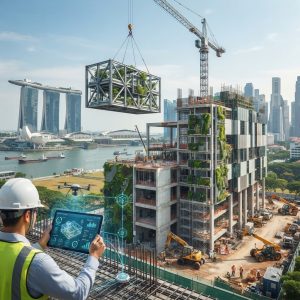
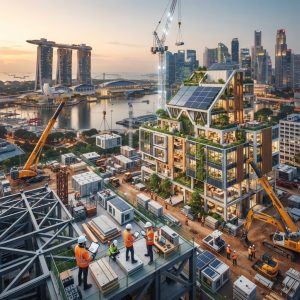
The core of achieving Super Low Energy status lies in the seamless integration of intelligent building management systems that respond dynamically to environmental conditions. Industry experts have shifted from traditional architectural practices toward data-driven design, utilizing building information modeling (BIM) to simulate energy flows before construction even commences. These digital models allow our team to visualize potential heat gains and wind patterns, enabling the implementation of passive cooling strategies that significantly reduce reliance on mechanical air conditioning. High-performance air conditioning units, coupled with smart sensors, ensure that energy is only expended when and where it is strictly necessary. By tracking occupancy levels in real-time, these systems modulate lighting and climate control to maintain peak comfort without waste. This holistic approach to technology is becoming the hallmark of sustainable construction Singapore projects. Furthermore, the integration of solar photovoltaic panels on rooftops and facades is no longer an afterthought but a central design feature. These systems feed directly into the building’s infrastructure, creating self-sustaining micro-grids that buffer the facility against rising grid utility prices. The complexity of these systems requires meticulous commissioning and continuous monitoring to ensure they function as intended over the building’s lifecycle. By leveraging internet-of-things devices, facility managers can now monitor performance metrics from centralized dashboards, allowing for proactive maintenance before inefficiencies occur. The synergy between physical design and digital oversight represents the next frontier in urban development, ensuring that every square foot is optimized for performance. As developers continue to adopt these technologies, the barrier between sustainable aspirations and practical reality continues to diminish, fostering a culture of perpetual improvement that defines the modern Singaporean construction sector as a global leader in high-performance architecture.
The Regulatory Framework Driving Change
Singapore’s journey toward becoming a leader in sustainable development is heavily supported by robust governmental policies and certification standards. National roadmaps have established clear targets for building performance, mandating that new developments achieve high standards of energy efficiency to receive permits. These regulations serve as a catalyst for innovation, pushing engineering firms to explore creative solutions that might have been deemed too experimental in previous decades. Through the rigorous application of green building certifications, developers are incentivized to exceed baseline requirements, often benefiting from various financial grants and density bonuses that encourage long-term sustainable planning. The building code, which is regularly updated to reflect global climate goals, ensures that every project contributes to the broader objective of achieving a low-carbon society. Industry experts acknowledge that these top-down mandates have successfully leveled the playing field, ensuring that sustainability is a prerequisite rather than a value-add. This structured approach provides the necessary confidence for investors, as it minimizes the risk of stranded assets that might become obsolete due to shifting environmental regulations. Furthermore, the promotion of collaborative research between academia and the private sector has facilitated the rapid adoption of new materials and methods. Regulatory bodies in Singapore are actively engaged with industry practitioners to refine standards, ensuring they remain practical while driving progress. This partnership-based model has turned the city into a living laboratory where sustainable construction Singapore initiatives are tested and validated at scale. By aligning regulatory mandates with industry goals, the government has created an ecosystem where green building is inherently tied to financial performance and operational excellence. Consequently, the adoption of SLE standards has accelerated significantly, moving from niche boutique projects to standard practices in high-density residential high-rises and commercial districts across the island.
Advances in Material Science for Energy Efficiency
The advancement of material science plays a pivotal role in the success of modern energy-efficient structures. In a tropical climate like Singapore, the primary challenge is managing solar heat gain without compromising natural light. New glass technologies, such as spectrally selective glazing, allow visible light to enter while reflecting the infrared components of solar radiation that cause excessive heat buildup. When these windows are combined with high-performance insulation, the energy demand for cooling drops significantly. Our team has observed that the thermal mass of building materials, such as specialized concrete and ventilated facade systems, is increasingly being utilized to create a buffer against external temperature fluctuations. These materials essentially regulate the building’s internal temperature, allowing the mechanical systems to operate at lower capacities. The table below illustrates the typical energy reduction percentages achieved through the application of specific modern material technologies:
| Material Technology | Primary Benefit | Energy Reduction Impact |
|---|---|---|
| Low-E Glazing | Heat Rejection | 15-20% |
| Thermal Insulation | Heat Transfer Reduction | 25-30% |
| Smart Façade Systems | Shading Optimization | 10-15% |
| Reflective Roofing | Solar Absorption Minimization | 10-12% |
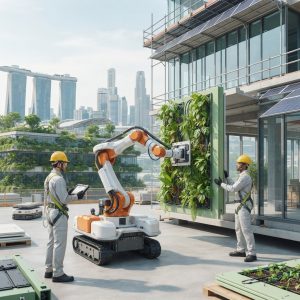
Furthermore, the focus on sustainable construction Singapore involves a shift toward locally sourced or low-carbon building materials, reducing the embodied energy of the entire project. Carbon-sequestering timber and recycled aggregates are becoming more common in structural applications, proving that durability does not have to come at the cost of high carbon emissions. The integration of vertical greenery and living walls also contributes to the cooling of building facades, effectively mitigating the urban heat island effect. These materials require specialized knowledge for installation and maintenance, but they offer significant long-term returns in energy savings and occupant well-being. As researchers continue to push the boundaries of what is possible, we expect to see even more innovations, such as self-healing concrete and energy-generating paints, entering the market. Each material innovation represents a step toward a future where our built environment is entirely self-regulating. By focusing on the life-cycle of these materials, builders are ensuring that the structures of today remain relevant and efficient for decades to come, proving that material science is as vital as architectural design in the pursuit of a sustainable future.
Analyzing the Long-term Economic Viability
One of the most frequently asked questions regarding the shift toward sustainable construction Singapore is whether the upfront costs are justified by long-term financial performance. While initial capital expenditure for SLE buildings can be higher due to the cost of advanced technologies and specialized materials, the return on investment is becoming increasingly clear. Lower operating costs are the most immediate financial benefit, as reduced energy consumption translates directly into lower utility bills over the building’s lifecycle. This is particularly important in an era where energy prices are subject to global fluctuations. Furthermore, buildings that meet higher energy performance standards often command premium rental rates and enjoy higher occupancy levels, as tenants are increasingly aware of their environmental impact and prefer green office spaces. Our team has performed several feasibility studies demonstrating that the ‘green premium’ is effectively mitigated by the operational savings and the increased asset value over a thirty-year horizon. Additionally, banks and financial institutions are increasingly offering preferential financing rates for projects that achieve top-tier sustainability certifications. This alignment between financial incentives and environmental goals creates a compelling business case for developers. Beyond direct savings, the durability and reduced maintenance requirements of high-performance buildings lower the long-term cost of ownership. These buildings are essentially built to last longer and perform better under stress. As we look at the urban development landscape, it is evident that sustainable practices are becoming the new baseline for institutional investors who seek long-term stability and resilience. By accounting for the total cost of ownership rather than just the initial construction cost, it becomes clear that energy-efficient design is not just a moral choice but a sound financial strategy. This economic validation is driving the mass adoption of these technologies across the industry, ensuring that the next generation of Singapore’s urban landscape is not only beautiful but also highly profitable.
In conclusion, the movement toward Super Low Energy buildings in Singapore represents a fundamental shift in how we approach urban development. By combining innovative technological integration, rigorous regulatory support, advancements in material science, and a clear understanding of long-term economic benefits, the industry is successfully navigating the challenges of climate change. Our analysis shows that the integration of these practices is not merely a technical requirement but a strategic necessity for the future. As Singapore continues to refine its approach, it serves as a beacon for other dense, resource-constrained urban environments worldwide. The journey toward a truly sustainable future is ongoing, but the current momentum suggests that the construction sector has embraced the challenge with enthusiasm and foresight. These projects demonstrate that we can build for the future while meeting the high demands of the present, ensuring a resilient and efficient city for all.
Frequently Asked Questions
What defines a Super Low Energy building in Singapore? A Super Low Energy building is one that achieves at least 40% energy savings over the 2005 building code baseline through energy efficiency, renewable energy, and smart systems.
Are the initial costs for green construction higher? Yes, the upfront capital cost is often higher, but the long-term operational savings and increased property value typically result in a positive return on investment.
Why is sustainable construction important in Singapore? Given the limited natural resources and the impact of climate change, sustainable construction is essential for energy security, urban heat reduction, and long-term economic resilience.
Can existing buildings be upgraded to meet these standards? Absolutely, retrofitting existing structures with high-performance glazing, LED lighting, and smart sensors is a primary focus for reaching the national decarbonization goals.
How do smart technologies impact the lifespan of a building? Smart technologies allow for proactive maintenance and real-time monitoring, which significantly extends the functional lifespan and performance of building infrastructure over time.