

Building Smarter: How Innovation is Transforming Singapore Construction in 2026
As Singapore’s construction landscape evolves in 2026, the industry faces an unprecedented surge in demand. Project timelines are tighter, budgets are under immense scrutiny, and the requirement for sustainable, high-quality output has never been more critical. To meet these challenges, firms are increasingly turning to smart construction technology Singapore practitioners have developed to bridge the gap between traditional craftsmanship and digital precision. By integrating advanced robotics, artificial intelligence-driven management systems, and a rigorous focus on Design for Maintainability, stakeholders are successfully overcoming persistent labor constraints while significantly boosting site efficiency. This transition represents more than a technological upgrade; it is a fundamental shift in how the nation approaches urban development. As we navigate this era of rapid transformation, embracing these sophisticated digital tools is no longer a luxury but a fundamental prerequisite for long-term viability. This article explores how industry leaders are leveraging these modern innovations to reshape the construction sector, ensuring that infrastructure projects are delivered faster, safer, and with superior longevity for the residents and businesses of tomorrow.
Table of Contents
The Rise of Robotics and Automation
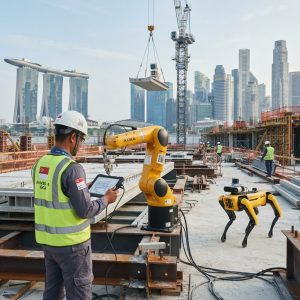
In 2026, the adoption of robotics has fundamentally altered the physical landscape of construction sites across the island nation. Traditionally, these sites were defined by heavy manual labor and repetitive tasks that often posed safety risks to personnel. However, the introduction of automated bricklaying units, autonomous transport vehicles, and robotic welding platforms has drastically reduced the need for direct manual intervention in hazardous environments. By utilizing these machines, our team observes that projects maintain a higher degree of precision that is simply unattainable through manual labor alone. Furthermore, the ability of these machines to operate consistently without the physiological fatigue associated with human effort ensures that progress remains on schedule even during the most demanding phases of a build. The integration of 3D concrete printing technology is another standout development, allowing for the rapid fabrication of complex geometric structural components that once required weeks of intensive formwork and manual casting. This reduction in the time required for structural assembly translates to massive cost savings and a smaller physical footprint on urban job sites. As industry experts emphasize, the goal is not to replace the human element but to augment it with mechanical power and digital accuracy. By delegating strenuous activities to robotic systems, project managers can reallocate their skilled human staff to high-value tasks such as quality control, complex site coordination, and strategic problem-solving. This symbiotic relationship between automation and human expertise represents the pinnacle of modern operational efficiency in the Singapore construction market. As supply chains for robotic components stabilize, we expect to see even more specialized robotic applications hitting the ground, effectively making the construction site of the future a safer and more productive space for everyone involved in the building process.
AI-Driven Project Management
The complexity of modern urban infrastructure requires a level of oversight that exceeds traditional spreadsheet management. Enter artificial intelligence-driven project management, a cornerstone of the current construction renaissance in Singapore. These digital platforms serve as the central nervous system for complex developments, synthesizing massive amounts of data from site sensors, drone surveillance, and financial reporting systems to provide real-time updates. By utilizing machine learning algorithms, management teams can now predict potential bottlenecks before they occur. For example, if a material delivery is delayed by a supplier, the AI system immediately assesses the impact on the entire project timeline and proposes alternative scheduling or resource allocation strategies to minimize downtime. This predictive capability is a total game-changer, moving the industry from a reactive stance to a proactive one. Beyond scheduling, AI excels in safety monitoring. Computer vision systems installed throughout a job site can detect if staff are failing to wear personal protective equipment or if unauthorized individuals have entered high-risk zones. Immediate alerts are sent to safety officers, preventing accidents before they unfold. Furthermore, AI helps in optimizing site logistics, ensuring that heavy machinery is positioned for maximum utility and that materials are stored in a manner that facilitates seamless flow on the site. As industry experts note, the amount of data generated by these processes is vast, yet the AI manages to distill this complexity into actionable insights for the decision-makers. The result is a tighter, more efficient project delivery pipeline that reduces waste and improves bottom-line performance. As software becomes even more deeply integrated into the construction ecosystem, the ability to interpret these digital signals will define which firms remain competitive in the market. The digital transformation is effectively turning every construction project into a data-backed endeavor where intuition is replaced by certainty.
Design for Maintainability and Sustainability
As the lifespan of buildings becomes a priority in our dense urban environment, Design for Maintainability (DfM) has moved from a niche concept to a mandatory standard. In the context of 2026, building owners and facility managers in Singapore are demanding that structures be designed with their future upkeep in mind. This means incorporating modular components that can be easily replaced, access points for building services that do not require invasive repairs, and material selections that provide superior durability against the tropical climate. By applying DfM principles during the conceptualization phase, architects and engineers ensure that the cost of ownership remains low for decades after construction is complete. This is intrinsically linked to the broader push for sustainable building practices, as maintaining a building efficiently reduces the need for constant refurbishment and minimizes the environmental footprint of structural waste. Smart construction technology facilitates this by allowing for the creation of Digital Twins—highly detailed virtual models that track every component’s specifications and maintenance history. If a pipe leaks or a ventilation system requires a part, the facility manager can immediately reference the digital model to identify the exact serial number and placement, streamlining the repair process significantly. This proactive maintenance approach is a vital component of the broader smart construction technology Singapore sector, aligning with national goals for high-quality, long-lasting urban infrastructure. The table below illustrates the projected maintenance savings associated with the adoption of these technologies versus traditional methods over a twenty-year building lifecycle. By prioritizing maintenance during the design phase, the industry effectively safeguards the long-term value of property investments. This evolution in design methodology signifies a departure from the “build and forget” mentality of the past toward a more responsible and sophisticated model of construction, where the efficiency of a building’s life cycle is just as important as the speed of its initial construction.
| Metric | Traditional Method | Smart DfM Approach |
|---|---|---|
| Repair Downtime | High | Very Low |
| Maintenance Accuracy | Low | Excellent |
| Long-term Cost | High | Optimized |
| Sustainability Score | Average | Outstanding |
The impact of this approach is felt not only by the developers but by the ultimate occupants of the buildings, who benefit from fewer service interruptions and a more comfortable, predictable indoor environment. As regulatory bodies continue to refine building codes, we expect DfM to become even more pervasive, eventually becoming the default standard for all residential and commercial projects in the country. This shift ensures that our city remains resilient, aesthetically pleasing, and highly functional, regardless of how much time passes after the completion date. It is a win for the environment, the economy, and the future generations who will inhabit these spaces.
The Future of the Construction Workforce
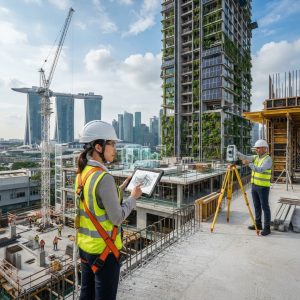
The rapid shift toward digital construction is fundamentally changing the requirements for the construction labor force in Singapore. As technology takes over the heavy lifting, the role of the worker is shifting toward technical literacy and system oversight. In 2026, the construction site requires individuals who are comfortable using mobile tablets to monitor site progress, operating complex software interfaces, and collaborating with robotic systems. This has triggered a massive effort in upskilling and reskilling programs aimed at ensuring that the existing workforce can transition seamlessly into these high-tech roles. The industry is effectively moving away from purely physical labor toward a blend of trade craftsmanship and technological prowess. This is an exciting time for the sector, as it attracts a younger, more tech-savvy generation to a field that was previously viewed as exclusively manual. By rebranding construction as a high-tech discipline, industry experts are helping to solve the labor shortage by creating career pathways that involve robotics programming, data analytics, and digital site management. The focus is now on developing a hybrid skill set where a worker understands the core principles of structural engineering while also possessing the capability to troubleshoot a digital sensor network. This evolution is essential for maintaining the momentum of the industry. Without a workforce capable of leveraging these advanced tools, the best software and the most expensive robots would remain underutilized assets. We are witnessing a professionalization of the trades that benefits everyone involved, as better training leads to higher quality work and increased job satisfaction. As we continue to refine these training initiatives, we ensure that our human capital remains as sharp and efficient as the digital infrastructure they manage. This proactive investment in human talent is the final piece of the puzzle, completing the transition to a truly modern construction sector that is capable of meeting any demand the future holds.
Conclusion
The transformation of Singapore’s construction sector in 2026 is a testament to the power of technological integration. By embracing the full potential of smart construction technology Singapore industry leaders are navigating record demand with unprecedented efficiency and precision. From the widespread deployment of autonomous robotics to the predictive insights provided by AI management and the long-term value delivered through Design for Maintainability, every innovation contributes to a safer, more sustainable urban future. This evolution does more than just solve current labor constraints; it establishes a foundation for continued progress and operational excellence. As firms continue to invest in their digital infrastructure and the upskilling of their workforce, Singapore will maintain its status as a global leader in construction innovation. The future is built on smart decisions today, and the industry is well-positioned for sustained success.
常见问题
- What is smart construction technology? It is the integration of digital tools like AI, robotics, and BIM into traditional construction processes to improve efficiency, safety, and project outcomes.
- How is AI changing the industry? AI provides predictive analytics, optimizes site logistics, and monitors safety in real-time, helping to prevent delays and accidents before they happen.
- What is Design for Maintainability (DfM)? DfM is a design philosophy that prioritizes the future ease of maintenance and long-term durability of a building during its initial design phase.
- How are robots used on Singapore sites? Robots are used for repetitive and high-risk tasks such as bricklaying, welding, and material transport, reducing labor stress and improving precision.
- Is the workforce disappearing due to automation? No, the workforce is being upskilled. Jobs are shifting from manual labor to high-tech roles requiring technical proficiency and digital management skills.