

Navigating Green Mark 2021: A Guide to Sustainable Construction in Singapore
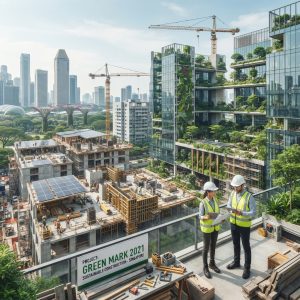
Singapore has long been a global pioneer in urban development, but as the climate crisis intensifies, the city-state is raising the bar once again. The introduction of the Green Mark 2021 framework represents a significant evolution in the regulatory landscape, fundamentally altering how architects, developers, and engineers approach projects across the island. By prioritizing life-cycle carbon emissions, energy intelligence, and occupant health, this new standard is central to achieving sustainable construction Singapore projects that meet the ambitious goals of the Singapore Green Plan 2030. For professionals in the design and build sector, understanding the nuances of these updated criteria is no longer optional; it is a vital prerequisite for securing project approvals and ensuring long-term asset value. This guide explores the core pillars of Green Mark 2021, providing industry experts with the strategic insight necessary to navigate this transition effectively. As the industry pivots toward circularity and low-carbon materials, stakeholders must embrace innovation to remain competitive. By focusing on smart technologies and resilient design, builders can ensure their developments contribute positively to the built environment while adhering to these rigorous, necessary, and future-ready sustainability benchmarks.
Table of Contents
The Core Principles of Green Mark 2021
The Green Mark 2021 framework shifts the focus from simple energy efficiency measures toward a holistic, outcomes-based approach that emphasizes the entire building life cycle. Unlike previous iterations that relied heavily on prescriptive requirements, the current standards demand a rigorous examination of how a structure interacts with its environment over several decades. Industry experts acknowledge that the core pillars of the 2021 update—namely energy efficiency, intelligence, health and well-being, resource stewardship, and whole-life carbon—are designed to drive transformative change across the sector. By mandating early-stage planning that considers the carbon impact of construction materials, the framework encourages architects to integrate sustainability into the very foundation of their designs. This shift requires a collaborative effort between structural engineers, project managers, and environmental consultants to ensure that every aspect of the project aligns with the national sustainability agenda. Furthermore, the framework introduces a tiered scoring system that incentivizes developers to exceed basic compliance, pushing the boundaries of what is possible in modern urban infrastructure. This performance-based model ensures that buildings do not just meet regulatory minimums but actually contribute to the overall climate resilience of the city. By centering sustainability at the start of the design phase, projects can avoid costly modifications later and instead realize significant operational savings. As the industry adapts, the emphasis on evidence-based documentation and rigorous verification processes has become essential. This transition towards a more evidence-driven culture ensures that the promises made during the design phase are successfully realized during the operational phase of the building, reinforcing Singapore’s reputation as a leader in green building excellence while setting a new standard for tropical, high-density living environments worldwide.
Driving Energy Intelligence and Technological Integration
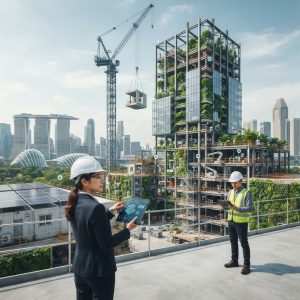
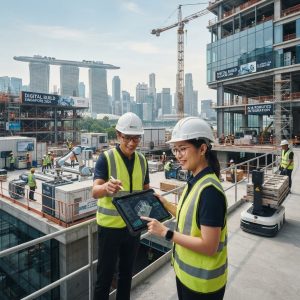
In the era of smart cities, energy intelligence has become a defining characteristic of sustainable construction Singapore projects. Green Mark 2021 places a premium on digital transformation, requiring buildings to utilize advanced monitoring systems that track performance in real-time. This technological shift is not merely about installing sensors but about creating an ecosystem where data-driven insights inform operational decisions and maintenance schedules. By leveraging building management systems powered by artificial intelligence and machine learning, facility managers can optimize cooling, lighting, and ventilation based on actual occupancy patterns rather than static schedules. This level of granular control is crucial in a tropical climate where cooling remains the largest energy consumer. The integration of renewable energy sources, such as building-integrated photovoltaics, is further bolstered by this intelligence, as systems can balance load demands with generated power automatically. Industry experts highlight that the success of these technologies depends heavily on seamless integration during the construction phase. Modern buildings must be designed with a digital backbone that allows for future upgrades and sensor integration, ensuring that the development remains energy-efficient as new software and hardware solutions emerge. This forward-looking approach minimizes the risk of technical obsolescence and ensures that operational costs remain competitive over the life of the building. Furthermore, the emphasis on data transparency allows developers to report energy performance accurately, facilitating easier benchmarking against industry standards. This transparency is a key driver in the property market, as investors and tenants increasingly demand buildings that offer lower utility costs and a smaller carbon footprint. As we look ahead, the continuous refinement of smart building protocols will be essential to achieving the net-zero carbon targets set forth by the national authorities, cementing the role of technology as a cornerstone of sustainable growth.
Sustainable Material Selection and Lifecycle Analysis
Selecting the right materials is perhaps the most significant challenge when pursuing a Green Mark 2021 certification. The framework requires a comprehensive lifecycle analysis, which evaluates the environmental impact of materials from extraction and manufacturing to transportation and installation. For many firms, this necessitates a departure from traditional building methods, favoring low-carbon concrete, recycled steel, and sustainable timber where appropriate. To assist in this transition, professional teams are increasingly utilizing environmental product declarations to verify the green credentials of their supply chain. The importance of embodied carbon cannot be overstated, as it represents a major portion of a building’s overall impact before it is even occupied. By prioritizing materials with high recycled content and those that can be disassembled or reused at the end of their lifecycle, builders can significantly lower their project’s environmental burden. The following table summarizes the impact of various materials commonly used in the local sector.
| Material Type | Sustainability Potential | Lifecycle Impact |
|---|---|---|
| Green Concrete | High (Reduced Cement) | Low Embodied Carbon |
| Recycled Steel | High (Circular Economy) | Low Energy Intensity |
| Certified Timber | High (Carbon Sequestration) | Renewable Source |
| Traditional Concrete | Low (High Carbon Footprint) | High Embodied Carbon |
The process of sourcing these materials involves building strong partnerships with suppliers who are committed to transparency and carbon reduction. Industry experts suggest that procurement strategies should be integrated early in the project timeline to ensure that green-certified options are available and cost-effective. Furthermore, the use of modular or prefabricated elements can reduce construction waste and improve precision, leading to higher efficiency levels. By minimizing material waste on site through improved construction practices, project teams can achieve both economic and ecological benefits. This holistic approach to procurement and construction ensures that every component contributes to the overall sustainability goals, supporting the long-term vision of a low-carbon, highly resilient urban landscape for the entire region.
Future-Proofing Developments for Long-Term Resilience
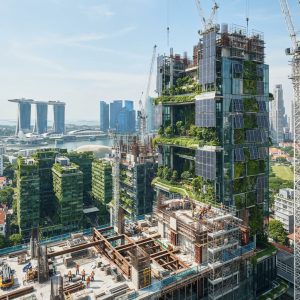
Future-proofing in the context of Green Mark 2021 goes beyond immediate certification. It involves designing structures that are inherently resilient to environmental stressors, such as rising temperatures, heavy rainfall, and urban heat island effects. This requires architects and developers to rethink passive design strategies, including building orientation, natural ventilation, and the clever use of green spaces. By integrating biophilic design elements, such as vertical gardens and rooftop greenery, projects can mitigate heat absorption while simultaneously improving the well-being of occupants. Industry experts emphasize that climate change is already affecting the built environment in Southeast Asia, making resilience an essential component of professional design. Beyond environmental resilience, future-proofing also implies economic durability. Buildings that are constructed to current high standards will be better positioned to retain market value as regulations continue to tighten and tenant preferences shift toward green, healthy spaces. A building that is easy to retrofit and adapt to new technologies will naturally have a longer lifespan, reducing the need for destructive renovations. This approach aligns perfectly with the principles of a circular economy, where the focus is on maintaining value and minimizing waste. Our team notes that successful projects often include dedicated spaces for waste recycling, electric vehicle charging, and bicycle storage to encourage sustainable behaviors among users. By addressing these needs today, developers ensure that their assets remain relevant and functional for decades to come. As the construction industry continues to evolve, the ability to anticipate and integrate these resilient, forward-thinking features will distinguish leaders from laggards. Ultimately, the commitment to the Green Mark 2021 framework is an investment in the future of the built environment, ensuring that growth does not come at the cost of the ecological health or economic stability of the city for future generations.
In conclusion, navigating the requirements of Green Mark 2021 is a critical endeavor for anyone involved in the construction industry in Singapore. By focusing on energy intelligence, sustainable materials, and long-term resilience, professionals can create buildings that not only comply with current regulations but also set new benchmarks for environmental performance. The transition toward low-carbon development is a challenge that requires collaboration, innovation, and a firm commitment to the circular economy. As we move forward, the integration of advanced technologies and thoughtful design will continue to define the success of our urban infrastructure. By embracing these standards today, industry leaders can ensure that their projects remain competitive, valuable, and environmentally responsible, contributing to the broader goal of a sustainable and vibrant future for the entire nation and the industry at large.
常见问题
1. What is the main objective of the Green Mark 2021 framework? The objective is to push the industry toward higher sustainability standards by focusing on life-cycle carbon, energy intelligence, and occupant well-being rather than just prescriptive design measures.
2. Why is embodied carbon important in sustainable construction Singapore? Embodied carbon accounts for the emissions generated during the manufacturing and construction process, which is critical to minimizing a building’s overall lifetime environmental footprint.
3. How does digital technology support Green Mark compliance? Technologies like building management systems and AI-driven monitoring allow for real-time energy optimization, ensuring the building performs as efficiently as promised during its design phase.
4. Are there financial benefits to achieving higher Green Mark ratings? Yes, developers often see higher asset value, lower long-term utility costs, and increased attractiveness to tenants who prioritize green building features in their search.
5. How can small firms participate in these green initiatives? Small firms can focus on modular construction methods, sourcing local low-carbon materials, and partnering with sustainability consultants to integrate efficient designs without needing massive budgets for complex technology.