

The Green Shift: How Singapore’s Construction Industry is Meeting 2030 Sustainability Targets
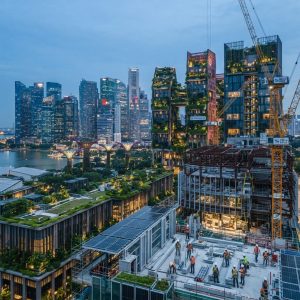
The construction sector in Singapore is currently undergoing a radical transformation as the nation aggressively pursues its ambitious 2030 sustainability goals. With 66% of local buildings now officially green-certified, the industry is shifting away from voluntary environmental gestures toward mandatory decarbonization and stringent energy-efficiency standards. This transition is essential for a land-scarce, highly urbanized nation to mitigate the impacts of climate change while ensuring long-term economic viability. Sustainable construction Singapore efforts have become the cornerstone of national policy, forcing developers, architects, and contractors to rethink traditional methods of building. The current landscape is defined by a rigorous push toward embodied carbon reduction, smart technology integration, and circular building economies that aim to future-proof the built environment. As the nation prepares for the next phase of its climate action plan, stakeholders must navigate new regulations and adopt innovative materials that prioritize performance, durability, and a lower environmental footprint. This analysis explores how the sector is adapting to these evolving mandates, the challenges inherent in high-density development, and the long-term impact on the regional construction ecosystem as we race toward a low-carbon future.
Table of Contents
The Evolving Regulatory Landscape
The regulatory framework governing the built environment has shifted from encouraging eco-friendly design to enforcing comprehensive decarbonization. Industry experts note that recent policy updates under the national green building masterplan are designed to raise the baseline for energy performance across all new developments. Building owners are now required to meet higher Green Mark standards, which mandate substantial improvements in operational energy efficiency and water conservation. These regulations are not merely suggestions; they are the new foundation of the industry. The government has implemented specific requirements for existing buildings to undergo energy audits, forcing older structures to retrofit or risk non-compliance. This regulatory push is fundamentally changing the way site operations are managed. Developers are now held accountable for the entire lifecycle impact of their projects, from initial soil excavation to long-term carbon output. Furthermore, the mandatory implementation of environmental impact assessments ensures that even before a project begins, the potential for biodiversity loss and carbon emissions is carefully mitigated. The shift also emphasizes digital transformation, with the requirement for Building Information Modeling (BIM) helping planners simulate energy consumption patterns long before a structure is built. This level of precision is critical for meeting the 2030 targets. As the sector moves toward these stricter standards, the collaboration between regulatory bodies and private contractors has intensified, creating a more cohesive approach to urban development. By standardizing these practices, the industry aims to create a predictable and sustainable market for green building materials and technologies, effectively insulating the country against energy volatility while simultaneously promoting a culture of corporate environmental responsibility among all stakeholders involved in the life cycle of the urban skyline.
Technological Innovation in Green Building
Technological advancement is the engine driving the sustainable construction Singapore transition. Modern builders are leveraging cutting-edge solutions to overcome the constraints of a small, dense urban environment. One of the most significant trends is the use of Prefabricated Prefinished Volumetric Construction (PPVC), which significantly reduces waste during the construction phase. By moving as much work as possible off-site into controlled, factory-like environments, contractors can achieve higher build precision, minimize noise pollution, and drastically cut the amount of raw material waste that would otherwise end up in landfills. Furthermore, the rise of smart building management systems has revolutionized operational efficiency. These systems utilize artificial intelligence and a vast array of internet-of-things sensors to monitor real-time energy usage, allowing buildings to self-regulate cooling and lighting systems based on actual occupancy levels. This technology ensures that energy is not wasted, directly contributing to lower operational carbon footprints. The integration of high-performance glass facades and intelligent shading solutions also helps keep buildings naturally cooler, reducing the reliance on air-conditioning, which remains the single largest consumer of energy in Singaporean structures. Designers are also experimenting with carbon-sequestering concrete and recycled steel components that offer the same structural integrity as traditional materials but with a much lower environmental cost. Innovation is not just about the final structure; it is about the entire design and delivery cycle. Engineers are now employing advanced software to track embodied carbon, ensuring that every ton of material consumed is optimized for longevity and recyclability. The synergy between digital design tools and innovative material science is creating a new era of construction where every square meter is designed for peak performance and minimal environmental burden, proving that density and sustainability can indeed coexist harmoniously.
| Metric | 2010 Standards | 2030 Targets |
|---|---|---|
| Energy Efficiency | Baseline | 40% Improvement |
| Green Mark Penetration | 35% | 80% |
| Recycled Material Use | Low | 50% Target |
Transitioning to a Circular Construction Economy
The construction sector is pivoting toward a circular model where materials are treated as assets to be reused rather than waste to be discarded. This shift is vital for Singapore, a nation that relies heavily on the importation of construction materials. By implementing deconstruction strategies, where buildings are taken apart carefully to recover high-value components, the industry can significantly reduce the demand for virgin resources. The circular economy model also encourages the use of local, recycled materials, such as crushed concrete from demolished buildings used as aggregate in new pavements or non-structural elements. This practice reduces transportation emissions and supports the local economy. Industry experts highlight that the shift toward circularity also requires a cultural change among project managers and site personnel. Design for Disassembly (DfD) is becoming a standard design philosophy, ensuring that buildings are constructed in such a way that their components can be easily detached and repurposed at the end of their lifecycle. This strategy prevents the accumulation of construction and demolition debris, which is a major environmental issue in urban regions. Additionally, public and private partnerships are facilitating the creation of material banks and trading platforms that allow excess inventory from one project to be redirected to another. This collaborative approach minimizes waste and creates a more efficient supply chain. The transition to a circular economy is also supported by recent changes in procurement processes, which prioritize contractors who demonstrate clear waste management plans and the use of sustainable, cradle-to-cradle products. By integrating these circular practices into the core business strategy, construction firms are finding that they can reduce costs over time while meeting stringent environmental targets. This commitment to circularity is not just a regulatory hurdle but a strategic imperative that builds resilience into the entire supply chain, ensuring that Singaporean construction remains sustainable despite global material shortages.
The Economic Implications for Developers
The economic landscape for developers in Singapore is changing as sustainability becomes a key determinant of market value. While the initial capital expenditure for green buildings is often higher, the long-term financial benefits are becoming impossible to ignore. Energy-efficient buildings offer significantly lower utility costs, which translates into higher rental premiums and increased property valuations. Institutional investors are increasingly focusing on Environmental, Social, and Governance (ESG) criteria, meaning that projects failing to meet sustainability standards may face difficulty in securing financing. Consequently, developers are adopting a ‘green-first’ mindset to remain competitive and attract premium tenants who are also subject to their own internal decarbonization targets. There is also a significant benefit in the form of government grants, tax incentives, and floor-area ratio bonuses available to developers who achieve the highest levels of green certification. These incentives help to offset the premium costs associated with advanced green technology and materials, making sustainable construction financially attractive. Furthermore, the focus on healthy building environments, such as superior indoor air quality and natural lighting, has proven to increase employee productivity and wellness, a factor that is increasingly sought after by corporate office tenants. Developers who invest in high-performance assets are better positioned to weather future legislative changes, such as potential carbon taxes, which could otherwise turn older, inefficient buildings into stranded assets. The market demand for green space is rising rapidly, and those who lead the way in sustainable design are establishing themselves as market leaders. By aligning economic growth with environmental preservation, the construction industry is shifting toward a model of long-term prosperity that is independent of short-term cost-cutting measures. This economic shift is proof that sustainability is not a barrier to profitability but a fundamental pillar of modern real estate success in a global hub.
Conclusion
The path toward 2030 is clear, and the construction industry in Singapore is moving with urgency and precision. By shifting from voluntary green initiatives to a robust framework of mandatory standards, the industry is setting a global benchmark for urban sustainability. Through the integration of technological innovations, circular economic practices, and forward-thinking economic strategies, the sector is successfully decoupling urban growth from environmental degradation. While challenges remain in balancing high-density urban needs with carbon-neutral aspirations, the progress made thus far provides a strong foundation for continued success. As stakeholders continue to innovate and collaborate, the vision of a truly sustainable built environment will transition from a future goal to a present reality. The commitment to green building is not just a regulatory requirement; it is a vital step toward securing a resilient, healthy future.
Frequently Asked Questions
What are the primary drivers of sustainable construction in Singapore?
The primary drivers are government-led decarbonization targets, rising demand for ESG-compliant assets, and the long-term cost benefits of energy efficiency.
How does PPVC technology improve building sustainability?
PPVC reduces material waste, enhances site safety, and improves construction quality by moving labor into controlled, efficient off-site factory environments.
Are green-certified buildings more expensive for tenants?
While rents may be higher due to property value, the lower utility costs often lead to lower total occupancy costs compared to traditional, inefficient buildings.
What is the role of the circular economy in this sector?
It involves prioritizing deconstruction and material reuse, which minimizes waste sent to landfills and lowers the demand for virgin construction resources.
How do developers benefit from building green?
Developers benefit from government incentives, higher property valuations, and easier access to institutional financing linked to strict environmental performance standards.