

Sustainable Construction in Singapore: A Guide to Green Mark 2021 Compliance
The construction industry in Singapore is currently undergoing a transformative phase as it pivots toward stringent environmental standards. As urbanization continues to accelerate, the imperative for sustainable construction Singapore practices has never been more critical for developers and contractors alike. The introduction of the Green Mark 2021 framework represents a significant departure from traditional building methods, placing a renewed emphasis on energy efficiency, intelligence, and climate resilience. This shift is not merely regulatory; it is a strategic response to global climate concerns and the specific challenges of the local built environment. To remain competitive and compliant, firms must integrate advanced technologies, including robotics and artificial intelligence, to optimize productivity while simultaneously lowering their carbon footprint. This guide explores the complexities of achieving compliance, the role of modern innovation in project management, and the long-term economic advantages of adopting these rigorous green standards. By aligning with these frameworks, the local construction sector is positioning itself as a global leader in sustainable development, ensuring that infrastructure remains both habitable and efficient for generations to come in an increasingly resource-constrained urban landscape.
Table of Contents
Understanding Green Mark 2021
Green Mark 2021 is a comprehensive framework designed to elevate the sustainability benchmarks for the built environment in Singapore. Unlike previous versions, this standard prioritizes whole-life carbon assessment, placing equal weight on the building operation phase and the initial construction stages. For industry professionals, understanding the intricate requirements of this certification is the first step toward successful project delivery. The framework encourages the adoption of high-performance passive design, which reduces the reliance on active cooling systems, thereby decreasing energy consumption. Additionally, it promotes the use of sustainable materials that possess lower embodied carbon, pushing the supply chain to innovate continuously. Professionals must focus on five key pillars: intelligence, health and well-being, energy efficiency, resource efficiency, and sustainability. Compliance requires detailed documentation and rigorous testing during every phase of a project, from initial design feasibility studies to final commissioning. Industry experts emphasize that achieving the higher tiers of this certification is not just about meeting regulatory obligations; it is about building high-quality, resilient infrastructure that attracts premium tenants and ensures long-term asset value. The process involves comprehensive digital modeling and simulation to predict building performance under various climatic conditions. As the landscape evolves, firms that master these documentation and implementation protocols gain a significant advantage in the competitive tender environment, positioning themselves as preferred partners for future urban development projects. By systematically applying these standards, teams can ensure that every structure serves as a model for ecological stewardship and resource optimization, ultimately contributing to the broader goal of national decarbonization and climate resilience in a rapidly changing world.
Integrating Robotics and AI
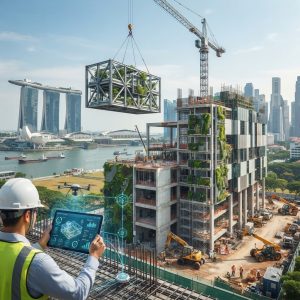
The transition to sustainable construction in Singapore is inextricably linked to the rapid integration of high-tech productivity solutions. Robotics and artificial intelligence are no longer futuristic concepts; they are essential tools for managing labor shortages and reducing material wastage on modern job sites. Robotic process automation is currently being deployed to handle repetitive and dangerous tasks, such as site excavation, bricklaying, and facade cleaning, which significantly improves site safety and precision. AI-driven platforms allow for real-time monitoring of energy use and structural health, providing project managers with actionable insights that help reduce waste. By utilizing building information modeling (BIM) in tandem with AI, project teams can simulate construction sequences to avoid errors before they manifest on-site, saving both time and resources. Furthermore, digital twins are becoming standard practice, allowing for the continuous optimization of building systems long after construction is complete. The table below illustrates the typical efficiency gains associated with these modern technological adoptions in the Singapore market.
| Technology Type | Primary Benefit | Impact on Green Mark 2021 |
|---|---|---|
| AI Building Management | Energy Optimization | High Compliance Potential |
| Autonomous Robotics | Labor Productivity | Reduced Site Waste |
| BIM Integration | Design Accuracy | Enhanced Life Cycle Data |
| Drone Inspections | Site Safety | Improved Operational Rigor |
These solutions help firms address the inherent complexities of building in high-density environments while maintaining strict adherence to quality control measures. For instance, AI algorithms can predict demand for materials and energy, ensuring that consumption is perfectly aligned with actual requirements, thus avoiding the environmental costs of over-ordering. As the labor pool fluctuates, these technologies provide a stable and scalable framework for maintaining operational consistency, which is vital for meeting the stringent deadlines often required for major infrastructure projects in Singapore. Embracing digital transformation is a prerequisite for any firm looking to compete effectively in this new era of construction.
Overcoming Industry Challenges
Sustainable construction Singapore projects face several unique challenges, most notably the high costs of specialized materials and the technical complexity of complying with environmental mandates. Firms must navigate a landscape where rising logistics costs, global supply chain disruptions, and skilled labor shortages create a difficult operating environment. To overcome these hurdles, industry experts suggest a proactive approach centered on early-stage planning and cross-disciplinary collaboration. By engaging architects, engineers, and environmental consultants from the concept phase, projects can avoid costly retrofits and design changes that often lead to delays. Training the existing workforce in modern green building technologies is another critical factor; investment in upskilling programs ensures that teams are capable of executing complex sustainable designs accurately. Furthermore, leveraging government grants and financial incentives specifically earmarked for green building initiatives can offset initial capital expenditures, making sustainable options more financially attractive for private developers. Building a culture of sustainability within the firm also encourages staff to seek creative, low-impact solutions that might otherwise be overlooked in traditional workflows. By fostering a collaborative ecosystem where supply chain partners and subcontractors share common goals, firms can drive down the cost of green materials through bulk procurement and streamlined logistics. Communication is paramount; transparent reporting on sustainability metrics not only keeps stakeholders informed but also helps identify bottlenecks in the construction sequence that could impact the project carbon footprint. Ultimately, success lies in the ability to balance the technical demands of the Green Mark 2021 framework with the practical, economic realities of the construction sector, proving that high-performance, sustainable buildings are not only possible but also profitable in the long term.
The Economic Impact of Sustainability
While the initial cost of adopting sustainable practices can be higher due to the need for advanced technologies and premium, low-carbon materials, the long-term economic benefits are substantial. Buildings that comply with the highest levels of the Green Mark 2021 standard often enjoy significantly lower operational costs throughout their lifecycle, particularly in terms of energy and water consumption. In the context of Singapore’s humid climate, efficient cooling systems driven by smart building controls result in major electricity savings, which accumulate into massive financial returns over a building’s functional lifespan. Additionally, the increasing demand for green-certified properties means that developers can often command higher rental yields and achieve better property valuations. Investors and financial institutions are increasingly prioritizing projects with robust ESG (Environmental, Social, and Governance) credentials, meaning that compliant firms have better access to capital and more favorable financing terms. Sustainability is no longer a niche requirement; it is a core component of risk management. By mitigating the potential for future regulatory fines and avoiding the costs of inevitable retrofits, developers future-proof their assets against stricter environmental policies that will likely emerge in the coming decades. Furthermore, the focus on occupant health and comfort—a key component of the current standards—translates into improved productivity and lower absenteeism for building tenants, which is a significant value proposition for commercial real estate owners. As the market shifts, the economic argument for sustainable construction becomes increasingly undeniable, shifting the perspective from viewing these standards as a regulatory burden to recognizing them as a vital driver of institutional investment and market competitiveness. This transition fosters a healthier real estate sector that benefits owners, tenants, and the environment alike, setting a new gold standard for regional development.
Conclusion
The journey toward sustainable construction in Singapore is both necessary and rewarding. By adhering to the Green Mark 2021 standards, the industry is not only meeting regulatory expectations but is also pioneering the future of global urban development. While challenges related to labor shortages and rising costs persist, the strategic integration of robotics, AI, and holistic project management offers a clear pathway to success. Firms that prioritize these advancements will lead the market, creating resilient, efficient structures that stand the test of time. As we look ahead, the continued evolution of these standards will ensure that the Singaporean landscape remains at the forefront of green innovation. Embracing these changes today ensures a more sustainable and prosperous built environment for the citizens of tomorrow.
常见问题
What is the primary objective of Green Mark 2021?
The primary objective is to drive the built environment toward higher energy efficiency and climate resilience through a holistic, life-cycle approach to carbon management.
How do robotics improve construction efficiency?
Robotics reduce human error, enhance safety on-site, and manage repetitive tasks more effectively, directly contributing to higher project productivity and lower waste.
Are there financial incentives for green construction?
Yes, the Singapore government offers various grants and incentives to support developers and firms in adopting sustainable technologies and green building standards.
Does sustainable construction increase project costs?
Initial costs may rise due to technology and material investments, but long-term savings in operational efficiency and asset value provide a significant return on investment.
How can small firms comply with these standards?
Small firms can comply by focusing on staff upskilling, leveraging existing BIM software, and forming strategic partnerships to share the cost of technological investments.