

The Future of Construction in Singapore: Why Smart & Sustainable Is Now the Standard
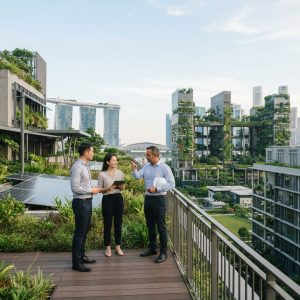
Singapore’s skyline is more than just a testament to architectural ambition; it is a living laboratory for the future of urban development. As the city-state accelerates toward its net-zero targets, the implementation of sustainable construction Singapore practices has evolved from a niche preference into a mandatory industry standard. Today, our construction sector is undergoing a profound transformation, moving away from traditional labor-intensive methods toward a high-tech ecosystem defined by Artificial Intelligence (AI), the Internet of Things (IoT), and advanced modular building techniques. This paradigm shift is not merely about environmental stewardship; it is an economic imperative. By integrating smart digital twins and precision-engineered modules, developers are effectively addressing manpower shortages while significantly reducing carbon footprints. For firms operating within this competitive landscape, embracing these innovations is the only way to remain relevant. In this article, we explore how the integration of digital sophistication and eco-friendly material science is redefining what it means to build in the tropics, ensuring that our infrastructure is as resilient as it is efficient for generations to come.
Table of Contents
Smart Digital Integration and AI-Driven Planning
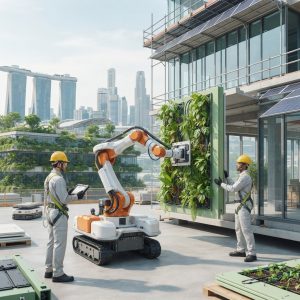
In the modern era of construction, the integration of Artificial Intelligence and digital modeling has become the bedrock of successful infrastructure projects. Digital Twin technology is no longer an experimental tool; it is a critical requirement for complex urban environments. By creating a precise virtual replica of a structure before a single brick is laid, industry experts can simulate various scenarios, identifying potential clashes in utility placement or structural integrity long before they manifest on-site. This proactive approach to planning significantly reduces rework, which is often the primary cause of budget overruns and timeline delays. Furthermore, the application of IoT sensors embedded within the building envelope allows for real-time monitoring of energy consumption, thermal performance, and structural health. This data-driven feedback loop is essential for sustainable construction Singapore initiatives because it allows facility managers to optimize energy loads dynamically, ensuring that buildings operate at peak efficiency from day one. When AI algorithms analyze these data points, they can predict maintenance needs before failures occur, extending the lifespan of infrastructure assets while minimizing waste. The shift toward digitized design also fosters better collaboration between architects, engineers, and contractors. By working from a single, cloud-based source of truth, teams can communicate more effectively, reducing the administrative overhead that has historically plagued the construction sector. This level of synchronization is vital for meeting the high performance and environmental standards set by current regulatory bodies. As we look ahead, the ability to leverage big data will distinguish the market leaders from the rest. The focus remains on precision, efficiency, and intelligence, transforming construction from a manual labor process into a highly automated, tech-forward discipline that prioritizes long-term asset value and ecological harmony over temporary convenience or outdated methodologies.
The Rise of Modular Construction Efficiency
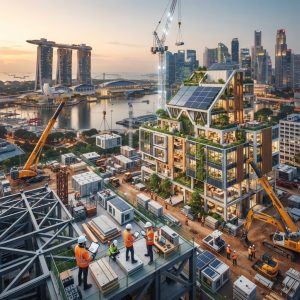
Modular construction, often referred to as Design for Manufacturing and Assembly (DfMA), is arguably the most significant advancement in the local building sector. By shifting the bulk of construction work from the site to a controlled factory environment, companies can ensure consistent quality, reduce noise pollution, and significantly lower their carbon impact. In a land-scarce environment, modular techniques allow for a much faster assembly speed compared to traditional cast-in-situ methods, which is critical for meeting the relentless demand for housing and commercial space. The process involves prefabricating standardized building components—ranging from structural frameworks to fully finished bathroom units—which are then transported and slotted into place like a complex jigsaw puzzle. This method drastically reduces site waste because material usage can be calculated with surgical precision, minimizing the debris that typically ends up in landfills. Moreover, factory-controlled conditions enable better safety standards and higher-quality finishes, as workers are protected from the harsh tropical elements and operate in an optimized, ergonomic environment. The economic benefits are equally compelling; while the upfront logistics of modular building may seem complex, the total project duration is often shortened by months. This speed-to-market advantage allows developers to realize their return on investment faster, providing a buffer against market volatility. Sustainability is intrinsically linked to this modular approach because it facilitates the potential for future repurposing. Components can be designed to be disassembled rather than demolished, aligning with the principles of a circular economy. As we continue to refine the DfMA workflow, the integration of smart logistics and automated assembly will further solidify this method as the cornerstone of future-proof urban development in our city.
Sustainable Materials and Carbon-Neutral Design
The pursuit of a carbon-neutral built environment necessitates a fundamental rethink of the materials we use. Traditional concrete, while durable, is a significant contributor to carbon emissions due to the energy-intensive nature of cement production. Consequently, industry experts are turning toward sustainable construction Singapore alternatives, such as Green Cement, mass-engineered timber, and recycled steel. Green Cement utilizes industrial by-products to replace traditional clinker, significantly lowering the embodied carbon content of structural elements. Similarly, mass-engineered timber (MET) is gaining traction as a high-strength, renewable, and aesthetically pleasing alternative to concrete, particularly for medium-rise developments. MET not only acts as a carbon sink by trapping carbon dioxide throughout its lifespan, but it also offers excellent thermal properties, which are crucial for maintaining interior comfort in a tropical climate. The following table highlights the comparative environmental benefits of modern building materials being introduced into the local market today:
| Material Type | Carbon Footprint Rating | Durability in Tropics | Primary Benefit |
|---|---|---|---|
| Traditional Concrete | High | Excellent | Proven Reliability |
| Green Cement | Low | High | Carbon Emission Reduction |
| Mass Engineered Timber | Very Low | High (with coating) | Renewable & Aesthetic |
| Recycled Steel | Medium | High | Circular Economy Impact |
Incorporating these materials requires a shift in engineering standards and local building codes, both of which are currently being updated to accommodate these innovations. Beyond materials, sustainable design involves optimizing building orientation to maximize natural ventilation and daylighting, thereby reducing the reliance on artificial lighting and air-conditioning. This holistic approach to sustainability ensures that every building serves as a model for low-energy consumption, helping the city reach its ambitious net-zero goals by 2050. Innovation in this space is ongoing, with researchers testing bio-based insulation and self-healing materials that could further reduce life-cycle maintenance costs, making the sustainable choice the most economically viable path for the future.
The Future of Project Management in the Tropical Urban Context
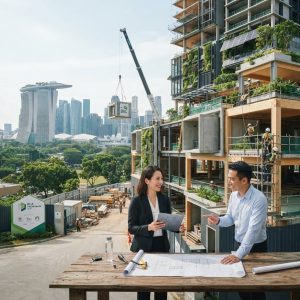
Managing the modern construction project in a hyper-connected environment requires more than just traditional logistics and workforce coordination. It demands a sophisticated understanding of digital workflows and a commitment to continuous improvement. As we move toward more sustainable construction Singapore projects, the role of project managers has shifted from overseeing manual labor to managing complex digital ecosystems. This involves ensuring that BIM models are accurately maintained throughout the construction phase, monitoring sustainability KPIs in real-time, and managing supply chains that prioritize green logistics. The challenges of building in a tropical climate—such as high humidity, heavy rainfall, and heat—require a unique approach to material handling and site safety. By utilizing predictive analytics, managers can now forecast weather-related delays with higher accuracy, adjusting labor schedules and delivery windows to minimize disruption. Furthermore, the push for transparency in reporting carbon consumption is becoming a new pillar of project management. Stakeholders, investors, and regulators now demand detailed audits of the environmental impact of every development, necessitating a transparent and digital approach to data collection. Our team emphasizes that the success of future developments will rely on the seamless integration of technology and human expertise. By fostering a culture of innovation, where teams are encouraged to adopt new digital tools and sustainable practices, firms can stay ahead of the curve. The focus is no longer just on completing a project on time and within budget, but on ensuring that the final output is a high-performance asset that contributes to the long-term well-being of the city. This evolution requires constant training, an openness to global best practices, and a steadfast dedication to the principles of smart and green development that define the Singaporean brand of excellence in the international construction arena.
As we navigate this transformative era, the path forward is clear. The convergence of high-tech digital tools and eco-conscious engineering is setting a new benchmark for global urban centers. By embracing smart design, sustainable material science, and modern project management, we are not only building better structures; we are creating a more resilient future. The transition to a sustainable landscape is a collective effort that requires dedication from all industry experts to ensure that our city continues to shine as a pinnacle of urban sophistication. By investing in these forward-thinking methods today, we secure the efficiency and environmental health of our built environment for years to come.
常见问题
1. Why is sustainable construction so critical for the Singapore market? It is essential for meeting national net-zero targets and addressing the challenges of a dense urban environment with limited natural resources.
2. What role does AI play in modern building projects? AI is used for predictive maintenance, clash detection in virtual models, and optimizing resource distribution to reduce waste during the construction process.
3. How does modular construction improve site safety? Moving assembly to a factory allows for controlled conditions, reducing the risks associated with working at heights and in unpredictable weather.
4. Are sustainable materials as durable as traditional ones? Yes, modern sustainable materials like Green Cement and mass-engineered timber are specifically treated to meet or exceed current safety and durability standards in the tropics.
5. Can small firms afford these new technological upgrades? While there is an initial investment, the long-term savings in reduced rework, faster assembly times, and higher efficiency make these technologies accessible and necessary for long-term competitiveness.