

Sustainable Construction in Singapore: A Guide to Green Building Trends in 2026
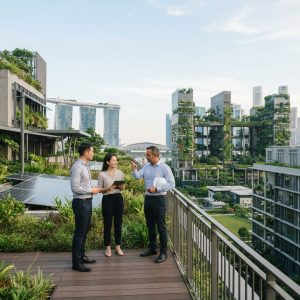
The urban landscape of the city-state is currently undergoing a massive transformation as the nation prioritizes sustainable construction in Singapore. With the government setting ambitious targets for decarbonization, the building and construction sector has become the focal point of a green revolution. Architects, engineers, and developers are moving away from traditional carbon-intensive methods, opting instead for innovative solutions that minimize environmental impact. By 2026, the shift toward Super Low Energy (SLE) buildings is no longer just a goal but a requirement for modern infrastructure projects. This evolution is driven by the urgent need to combat climate change while ensuring that the built environment remains resilient and energy-efficient. Whether it is through the adoption of prefabricated components or the integration of advanced smart building technologies, the industry is witnessing a profound change. This guide explores the key trends shaping the future of green development in Singapore, providing insights into how the nation is setting a global benchmark for sustainable urban living in a dense, resource-constrained environment.
Table of Contents
Current Trends in Sustainable Construction
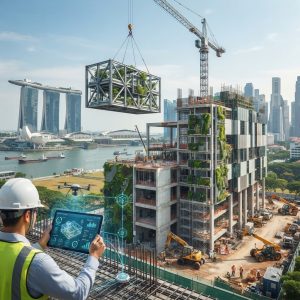
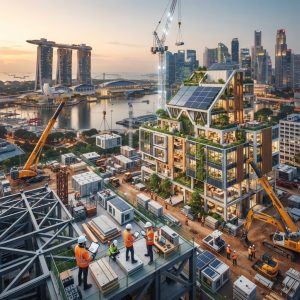
As the construction industry continues to mature, sustainable construction in Singapore is being redefined by digital integration and efficient project management strategies. Building Information Modeling (BIM) has become a standard requirement, allowing project teams to simulate environmental performance before a single brick is laid. This digital-first approach enables architects to optimize building orientation, natural light usage, and airflow, which drastically reduces the future energy demands of the property. Furthermore, the push toward Design for Manufacturing and Assembly (DfMA) is fundamentally changing how buildings are constructed. By utilizing off-site fabrication, builders can significantly reduce construction waste, minimize noise pollution in neighboring areas, and shorten project timelines. This approach also allows for greater quality control in factory settings, ensuring that insulation and sealing are perfect, which prevents energy leakage later on. Industry experts have observed that the seamless integration of these technologies creates a lifecycle approach where the environmental cost of a building is calculated from material extraction to final demolition. This trend is not merely about using recycled components but about the strategic orchestration of the entire building lifecycle to ensure maximum efficiency. As urbanization density increases, the demand for modular construction has surged, allowing developers to create highly customizable living and working spaces that are both flexible and environmentally responsible. The integration of Building Management Systems (BMS) powered by Artificial Intelligence is also becoming commonplace. These systems autonomously adjust cooling, lighting, and ventilation based on real-time occupancy data, ensuring that resources are only consumed when absolutely necessary. By merging digital precision with green engineering, the construction sector is effectively tackling both the operational and embodied carbon footprints, ensuring that the next generation of Singaporean architecture is prepared for the challenges of a hotter, more climate-sensitive future.
Innovative Green Building Materials
The shift toward greener architecture is fueled by the continuous development and adoption of innovative materials that outperform traditional concrete and steel. One of the most significant advancements is the use of Cross-Laminated Timber (CLT), which is increasingly being utilized for high-rise residential and commercial projects. CLT is known for its remarkable strength-to-weight ratio and its capacity to sequester carbon within its fibers, making it an ideal choice for developers looking to reduce the embodied carbon of their projects. Alongside wood, Green Concrete has gained traction; this material incorporates recycled industrial waste, such as pulverized fuel ash or ground granulated blast-furnace slag, to replace a portion of the traditional cement content. This not only diverts waste from landfills but also lowers the carbon emissions associated with the production of cement. Furthermore, smart glass and high-performance insulation materials are becoming standard in modern façades. These materials help in maintaining a consistent internal temperature, reducing the reliance on high-energy air conditioning systems that are traditionally necessary in the humid Singaporean climate. The transition to these materials is supported by updated national certification schemes, which incentivize the use of sustainable products through various grant systems. It is essential for contractors to verify the lifecycle impact of materials, ensuring that the supply chain is as green as the end product. Industry experts recommend that procurement teams prioritize materials with Environmental Product Declarations (EPD) to ensure transparency and accountability. By choosing low-carbon alternatives that offer superior thermal performance, developers can drastically improve the overall energy rating of their buildings. Below is a comparison of traditional materials versus modern, sustainable alternatives that are currently gaining prominence within the local construction market for large-scale development projects.
| Material | Traditional Version | Sustainable Alternative | Benefit |
|---|---|---|---|
| Framing | Steel and Concrete | Cross-Laminated Timber | Carbon Sequestration |
| Binding | Portland Cement | Low-Carbon Green Concrete | Waste Reduction |
| Glazing | Single/Double Pane | Low-Emissivity Smart Glass | Energy Efficiency |
| Insulation | Mineral Wool | Recycled PET or Bio-based | Eco-Friendly Lifecycle |
The Rise of Super Low Energy Buildings
Super Low Energy (SLE) buildings represent the pinnacle of current sustainable construction in Singapore. These structures are specifically designed to reduce energy consumption by at least 60% compared to traditional building designs. To achieve such significant energy savings, developers must employ a multi-faceted approach that starts with high-performance building envelopes. High-performance building envelopes are essential because they prevent heat gain, which is the primary driver of energy usage in this climate. Beyond the structural envelope, the focus shifts to high-efficiency mechanical systems, such as magnetic bearing chillers and decentralized cooling systems. Furthermore, the integration of on-site renewable energy sources, particularly rooftop solar photovoltaic panels, is now a standard requirement for major developments. The push for SLE status is also encouraged by various public incentive programs that reward developers who demonstrate exceptional commitment to energy optimization. By aligning with national sustainability standards, firms are not only helping the environment but also lowering long-term operational costs for building owners and occupants. The focus is now on the grid-interactivity of these buildings, where the structure acts as a load-shifting entity that contributes back to the local energy network. This vision requires collaboration between architectural designers, mechanical engineers, and electrical system providers to ensure that all energy-consuming components are perfectly synchronized. Smart sensors embedded throughout the building monitor energy spikes and automatically optimize cooling loads to maintain peak efficiency. As the nation moves toward a greener future, the SLE certification is becoming a symbol of architectural excellence and a testament to the fact that extreme efficiency does not have to come at the expense of luxury or functional space. The industry is currently transitioning from viewing sustainability as a regulatory hurdle to embracing it as a significant competitive advantage for future-proofing investments.
Future Outlook and Regulatory Impacts
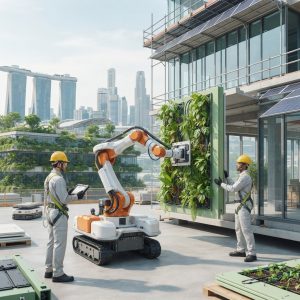
Looking toward the future, the regulatory landscape will continue to play a pivotal role in shaping sustainable construction in Singapore. The government has signaled that building codes will be tightened further to ensure that all new developments meet strict net-zero requirements by the next decade. This means that builders must stay ahead of the curve by investing in research and development today. One major area of focus will be the circular economy, which involves designing buildings that can be easily dismantled and whose components can be repurposed at the end of their lifecycle. This shift requires a change in mindset from the traditional construction mentality of building for permanency, toward designing for adaptability and reuse. Additionally, green financing will become the primary mechanism for funding, with investors increasingly favoring projects that can demonstrate strong Environmental, Social, and Governance (ESG) performance. This financial shift is pushing developers to prioritize sustainability from the very early stages of project design. Furthermore, the integration of blue-green infrastructure, such as vertical gardens and rooftop bioswales, will become essential for managing urban heat islands and improving the overall wellbeing of residents. As technology continues to advance, we can expect to see more predictive maintenance systems that allow for the continuous optimization of building energy systems, extending the lifespan of infrastructure and reducing maintenance waste. The construction sector, despite its historical resistance to change, is now at the forefront of the green movement, driven by the realization that sustainable building is the only viable path for the future. Industry experts anticipate a period of rapid innovation where biological materials, advanced robotics, and AI-driven design will converge to redefine what it means to build in a modern, sustainable urban environment, ensuring that the city remains a global leader in sustainable development for many years to come.
Conclusion
The journey toward fully sustainable construction in Singapore is a complex and ongoing endeavor that requires the collective effort of the entire building ecosystem. From the initial design phases to the final operational energy monitoring, every stakeholder plays a critical role in meeting the national decarbonization goals. By embracing Super Low Energy standards, integrating innovative materials, and leveraging digital technologies, the local industry is successfully setting a new global benchmark. While challenges in material costs and technological integration persist, the long-term benefits of resilient, energy-efficient infrastructure are undeniable. Developers and contractors who adapt to these green trends today will undoubtedly lead the market in the years to come, ensuring a future that is not only sustainable but also economically viable and environmentally harmonious.
常见问题
1. What defines sustainable construction in Singapore? Sustainable construction in Singapore refers to the use of environmentally friendly practices, materials, and technologies that minimize carbon footprints and resource consumption across a building’s entire lifecycle.
2. What is a Super Low Energy (SLE) building? An SLE building is a high-performance structure designed to reduce energy consumption by at least 60% compared to traditional building benchmarks, often incorporating renewable energy systems.
3. How does digital technology support green construction? Tools like BIM and AI-powered building management systems allow for precise environmental modeling and real-time energy optimization, ensuring maximum operational efficiency.
4. Are green building materials more expensive? While initial procurement costs for certain sustainable materials can be higher, they often offer superior performance and long-term operational savings, making them more cost-effective over the building’s lifespan.
5. How are future building regulations affecting construction? Regulatory frameworks are becoming increasingly strict, with a clear trend toward net-zero building codes that mandate higher standards for energy efficiency, waste management, and environmental impact.